Anis Hadj Moussa: reading the one-versus-one
Algerian winger Anis Hadj Moussa offers a useful study in attacking from wide areas: how to receive under pressure, recognize a defender’s stance and choose between carrying, combining or keeping possession.
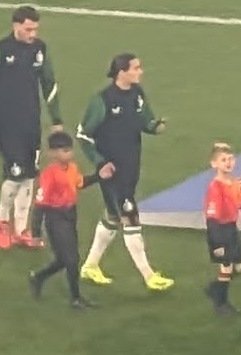
Search Anis Hadj Moussa skills videos on YouTube ↗
What to watch
Before judging a dribble, notice the starting position, the space outside and inside, the defender’s body angle and the nearby support. The best action is the one that improves the team’s next situation.
Profile and football context
Anis Hadj Moussa is an Algerian footballer who plays as a wide attacker and has represented Algeria internationally. His emergence has attracted attention from supporters who follow Algerian players in European club football. Club status, competition appearances and national-team selection can change, so consult current official club and federation records for the latest details rather than relying on a profile that may become outdated.
Creating an advantage from the touchline
Wide areas offer both opportunity and constraint. The touchline removes one direction from the defender’s choices, but it also limits the attacker’s escape route. A winger can use width to stretch the back line, create space for a midfielder to receive inside, or isolate a fullback in a one-versus-one. If the attacker moves inside, they may open a passing lane or bring the ball closer to goal, but a second defender can close the space.
The decision begins before the ball arrives. A quick glance can reveal whether the defender is close, whether a teammate is making an overlapping run and whether the inside channel is occupied. The attacker can then adjust their distance from the sideline. Staying wide may preserve a clear passing lane; moving a little inward may create a better angle to receive on the half-turn.
Receiving with a plan
A winger who receives square to the touchline may have difficulty seeing both the ball and the central area. When time allows, an open body position can keep more options available. The player can check over a shoulder, receive on the foot farther from pressure and take a first touch that either protects the ball or moves it toward open space. The ideal technique depends on the pace and direction of the pass; there is no single perfect receiving shape for every situation.
If an opponent is tight, the first action may be to shield the ball and connect with a teammate. If the defender gives several metres of space, the attacker may carry forward and force the opponent to retreat. When the pass arrives behind the player, the priority is to regain balance and maintain possession, not to attempt an immediate turn that risks losing the ball. Good receiving keeps the next decision possible.
One-versus-one technique without tricks for their own sake
A winger can challenge a defender with changes of pace, body feints and direction changes. The move is effective when it influences the defender’s balance and leads into a useful space. A shoulder drop might suggest an inside cut before the attacker accelerates along the line. A pause can invite the defender to step forward, leaving room to move beyond them. These actions are only options; a quick pass can be better if a second defender is already covering.
Close control helps an attacker adjust the ball while monitoring the opponent. In a crowded area, shorter touches can make it harder for a defender to reach the ball. In open space, a longer touch may allow the winger to accelerate. The attacker should avoid staring down at the ball for the entire run. Looking up helps identify teammates, the goal and additional defenders.
Passing and movement after the ball
Wide attackers are not required to beat an opponent every time they receive. A pass inside can allow a teammate to face forward; a short return pass can draw the defender out; a switch to the opposite side can exploit a defence that has shifted toward the ball. The winger’s decision should reflect what the team needs in that moment.
Role and instructions matter when interpreting these choices. A winger in a possession-focused team may be asked to keep the ball moving and help create a two-versus-one with an advancing fullback. In a counterattacking side, the same player may be encouraged to stay high and run into space as soon as possession changes. The player’s starting position, the score and the time remaining can all affect whether an ambitious dribble is sensible. A fair analysis therefore looks at the surrounding team shape and not only at the attacker’s final touch.
Supporters can use this context when watching a match: note where the winger begins an attack, which teammate offers the nearest support and whether a defender is covering behind the first opponent. Then follow the whole sequence. A move that draws two defenders and creates room for a teammate may help the team even if the winger does not receive the return ball. This broader view avoids treating every possession as a test of individual flair.
Training idea: choose an exit
Mark a 12-by-10-metre channel with an outside gate, an inside gate and a teammate positioned behind the attacker. The winger receives from a server while a defender approaches from an angle. The attacker can carry through either gate, combine with the teammate or protect possession and reset. Award the point for a controlled, purposeful choice—not for attempting the most dramatic move.
Begin with a passive defender who protects one route. Then let the defender choose freely, so the attacker must read the situation. Rotate roles and repeat on both sides of the field. For beginners, widen the channel and slow the service. For more experienced players, narrow the space or add a recovering defender, but change one difficulty at a time.
To make the practice more representative, occasionally start with the attacker receiving a pass from a different angle or with their back partly toward the goal. Allow a supporting teammate to move to either side, so the ball carrier must decide whether to turn, shield or combine. Keep repetitions short and provide recovery between rounds. A coach can vary the challenge without demanding one predetermined answer: reward a choice that fits the defender’s movement and leaves the team in a useful position.
From isolated skill to match understanding
Once players can perform the basic activity, introduce a small-sided game with a wide scoring zone. A team can earn an extra point for creating a chance after a purposeful wide combination, but ordinary goals should still count. If the only reward is dribbling, players may force one-versus-ones even when a pass is better. If the only reward is passing, they may avoid space that should be attacked.
Keep the objective broad: notice space, choose an action and support what happens next. A defender may make a good challenge even when the attacker selected a reasonable option. Coaches should evaluate the decision and the execution separately. Feedback such as “you saw the defender close the inside and used your teammate” gives the player something specific to repeat.
Responsible prospect coverage
Hadj Moussa’s profile can be interesting without predicting a transfer or promising a particular career outcome. Football development depends on opportunity, health, coaching, personal circumstances and team context. Avoid unsupported reports about contracts, private life or future destinations. Describe scouting opinions as opinions and do not state that a player or club endorses an independent website.
For young players, training should be suitable for their age and experience. Do not copy an adult professional’s workload from a clip or article. Use qualified coaching, a safe surface, appropriate footwear, rest and gradual progression. Stop if a player experiences pain, and seek appropriate medical guidance when needed.
Learning points to take onto the pitch
The most transferable lesson from studying a winger is to connect awareness with technique. Scan early, receive with more than one option, notice the defender’s balance and choose whether to carry, pass or hold. Move again after releasing the ball so teammates have support. These habits are more useful than trying to reproduce a single highlight exactly.
Coaches can invite players to explain two possible solutions to a wide-area situation. One may see a route down the line; another may prefer a short combination inside. Discuss what information would make either choice effective. This encourages players to think for themselves and to respect that football decisions are shaped by changing circumstances.
Following a player over time is more informative than judging a career from a brief run of headlines. Check official club and federation updates for current facts, revisit match footage from different situations and remain open to new evidence. The purpose of this profile is not to predict what Anis Hadj Moussa will achieve, but to use his position and public performances as a prompt for thoughtful football learning.
Sources and image rights
For current club and international career details, check Feyenoord’s official website and the Algerian Football Federation. Verify current statistics against official competition records. This is independent educational analysis, not an endorsement. Photo source and public-domain dedication are credited below the image.