Is the United States National Team Actually Good at Soccer?
Is the United States national team actually good at soccer? The U.S. men’s team is good, but not yet good enough to be favored to win the World Cup.
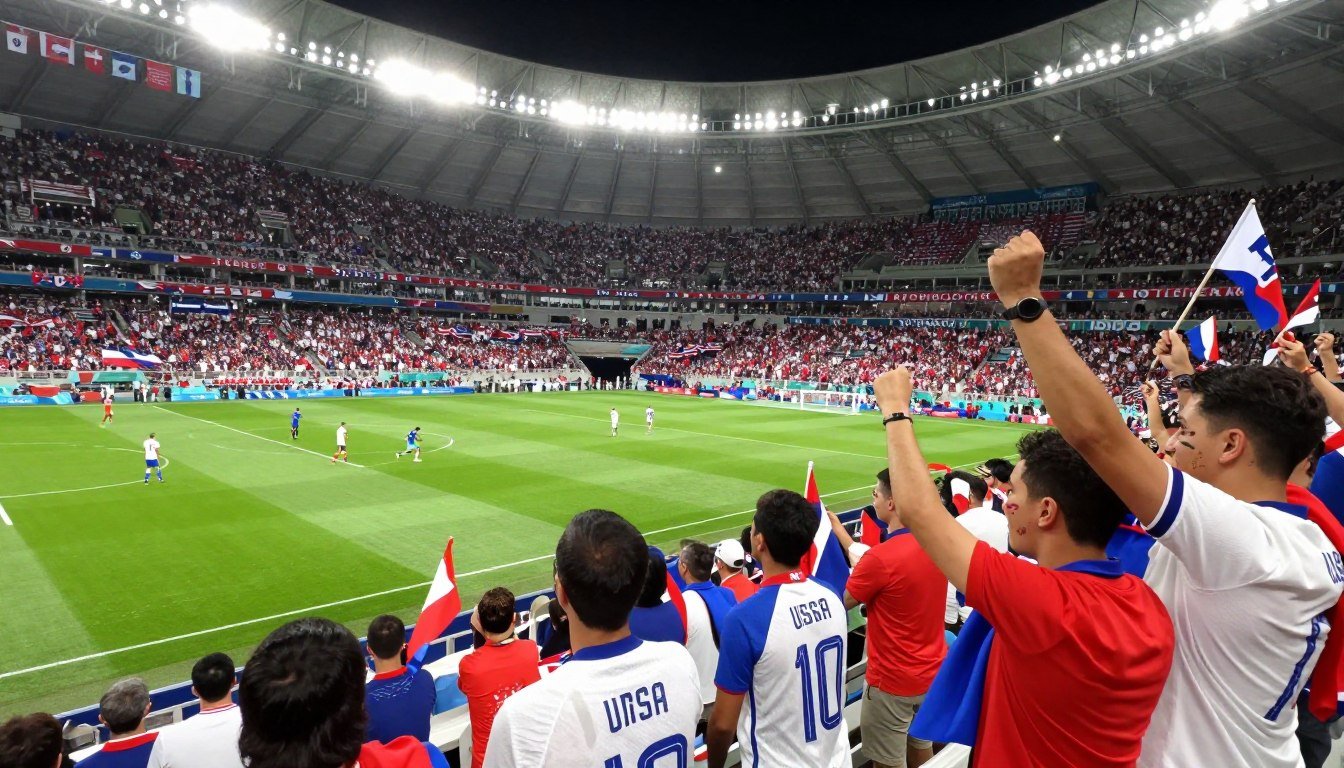
Americans expect dominance in most sports, from American football to basketball. Soccer rarely gives them that feeling, even when the team plays well. For decades, the team has been one of the eternal hopefuls, a side fans trust until the big games arrive.
The Big Five leagues are the five elite European domestic leagues (Premier League, La Liga, Bundesliga, Serie A and Ligue 1) where most of the world’s top players compete. Several U.S. players now play in them, so the team’s strength depends on that pool.
Key Takeaways
- The U.S. men’s team is good, but it is not yet a favorite to win the World Cup.
- The team has the talent to win matches against strong opponents.
- Soccer’s standing in American sports has grown, and expectations have grown with it.
- The home World Cup in 2026 is the biggest test the team has faced in years.
- A realistic goal is a deep run, with the quarterfinals as the target.
How Good the Team Looks on Paper
The team’s best FIFA ranking is fourth, reached in April 2006, which puts today’s position in context. That peak is the highest standing the U.S. men national team has ever reached, so we use it as the yardstick.
Soccer has grown fast in American life. In the 21st century, it surpassed ice hockey as the fourth-most-popular sport among American spectators. More fans means more attention, and every dip in the standing gets noticed.

A national team should be judged on years of results, not on one tournament.
Today’s standing sits below that 2006 peak, and that is the first gap a reader should see. A drop of several places can look dramatic in the news. It usually reflects a run of results, not a sudden collapse in the team’s quality.
Our approach is to compare the team with its own best, not with the weakest years in its history. That gives a clearer picture of whether the team is still a top side. Compare the current ranking with the 2006 peak before deciding whether the team is slipping or stalled.
What the Ranking Says Today
At 16th in the world, the team sits well inside the top 20 but outside the group of favorites. The FIFA ranking shows where the United States stands among national teams right now.
The FIFA ranking counts results over several years, not one tournament. A single strong month can lift a team, but a steady record moves it more reliably over time.
| Measure | Value |
|---|---|
| Current rank (October 7, 2026) | 16th |
| Current points | 1705.47 |
| Highest ranking ever | 4th |
| Date of highest ranking | April 2006 |
The points total is what separates one place from the next. A few extra points can push the team up a spot, while a few lost points can drop it just as fast. That is why the table matters more than a single headline.
Points move in cycles that follow the international calendar. Each window of friendlies and qualifiers can change the standing, so the total is worth following closely. Watch the points total after each international window, since small swings move the team several places.
Recent Results Against Strong Teams
The team beat Uruguay 5-1 in the autumn, then lost badly to Belgium in the spring. Those two results show how uneven the form has been. The 5-1 win over Uruguay is the clearest sign of real quality.
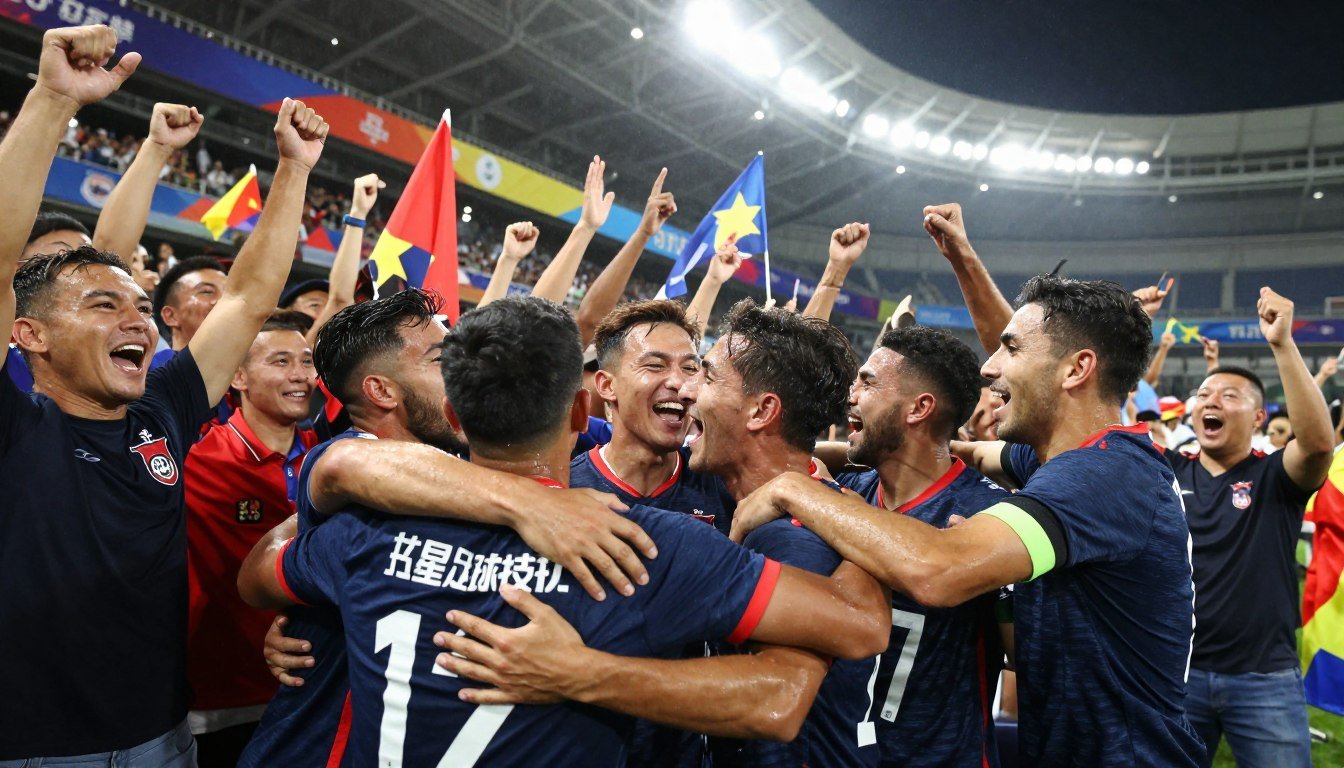
The recent record includes four results that matter most when judging the squad:
- A 5-1 win over Uruguay in the autumn
- Mixed spring friendlies against Portugal and Belgium
- A 5-2 loss to Belgium in the spring
- CONCACAF Nations League titles in 2021, 2023 and 2024
Friendlies and competitive matches tell different stories. A friendly lets coaches test players and try new shapes, so a poor result there carries less weight. A competitive match decides a trophy or a place, so every result there counts.
The Nations League titles show the team can win when results count. The team has also struggled against elite opposition in the spring. Weigh the competitive wins more heavily than the friendly losses when judging form.
Why Tournament Results Are Hard to Predict
Only eight countries have ever won the World Cup, which means most strong teams lose before the final. Form in a league season does not always carry into a short tournament.
A single goal can decide a knockout tie. One mistake, one red card or one missed chance can end a run that looked safe for ninety minutes.
Injuries add another layer of risk. A key player who is hurt before the knockout rounds can change a team’s whole plan. Depth matters, because a squad with few reliable backups has less room for error.
Upsets are part of the sport. England last won the World Cup in 1966, and Greece won Euro 2004 with only one player from the Premier League. Expect one bad half to decide a knockout tie, and judge the team across the whole tournament instead.
The Team’s World Cup Record
The team reached the semifinal round in 1930, finishing third, its best finish to date. That result still stands as the all-time best in the team’s World Cup history.
The U.S. men’s team has made 12 World Cup appearances as of 2026. Those appearances show a team that qualifies often but rarely goes deep.
The modern high point came in 2002, when the team reached the quarterfinals. Since then, the team has reached the round of 16 but not the quarterfinals. The team did not qualify for the 2018 World Cup, a miss that shocked many fans.
The 2018 miss forced a wider look at how young players were developed. That pressure helped shape the system that now feeds the national team. Measure this squad against the 2002 quarterfinal, not the 1930 result.
Tyler Adams Is Back and Shields the Defense
Tyler Adams’s return from injury changed the team’s shape, and the numbers show it. He gives the back line a steady player in front of it.
Adams won seven of 10 ground duels in the opener against Paraguay. He also made two interceptions, added four clearances and had 80 touches.
That work matters most when the team faces fast attacks. Adams reads the play early, cuts off passes and sends the ball away before danger builds. His presence lets the center backs step up without leaving a gap behind them.
Discipline is the risk. A second yellow card in the group stage brings a one-match ban, and the count carries into the knockout rounds. Plan for Adams to miss a knockout game if he picks up a second yellow card.
How the Tactics Changed Since March
The team switches between a three-man back line with the ball and a 4-2-3-1 without it. That change is the core of the tactics that Mauricio Pochettino has built since March.
In possession, the shape is close to 3-2-5, with the wing-backs pushed high. Out of possession, the team drops into a 4-2-3-1 that is easier to defend.
| Phase | Shape | Role of Adams | Role of fullbacks |
|---|---|---|---|
| In possession | Three-man back line, close to 3-2-5 | Screens the back three | Wing-backs push high |
| Out of possession | 4-2-3-1 | Sits deep in front of the back line | Drop into a flat back four |
Few of the best US soccer players of all time had to fit into a shape like this, which asks each man to do two jobs. Tactics take weeks to build chemistry, so early results can look rough. Players need repeated sessions before the timing feels natural.
The shape asks a lot of the wing-backs, who must run both ways. Judge the coach on whether this shape holds against stronger opponents, not on one win.
Which Players Matter Most
Christian Pulisic is the team’s most dangerous attacker, and his form decides many of its chances. He is the first name to watch in any match.
The roster includes 30 players from Big Five league teams in the 2025-26 season, who logged 35,885 minutes in total. That experience gives the squad a strong base at the top level.
Among US soccer players at the World Cup, Pulisic is the clearest pick for the most dangerous attacking role. The USA’s best player in soccer right now is Pulisic, though Adams is the most essential midfielder. These five players stand out for their roles:
- Christian Pulisic: attacking output and goal threat
- Tim Ream: veteran center back who captained the team at the summer tournament
- Alex Freeman: hybrid right back who adds width and attack
- Malik Tillman: deeper playmaker who links midfield and attack
- Weston McKennie: versatile midfielder who covers many roles
The best player for one role may not be the best player overall. A right back who attacks well may struggle when the ball is in a defensive zone. Track Pulisic’s fitness first, since he has had long spells without scoring at club level.
The Gap Between American Soccer and the Top Nations
The U.S. has more registered male soccer players than most of the countries it plays, yet it produces far fewer elite players. The U.S. produces 1,435 Big Five minutes per 100,000 registered male soccer players.
Big Five Minutes Per Player Pool
Croatia produces 43,923 Big Five minutes per 100,000 registered male soccer players, and England produces 17,991. Those figures put the U.S. far behind, even though it has about 2.5 million registered male players.
The gap is not about how many people play the game. It is about how many of those players reach a top league and stay there. A large pool means little if few players move up the ladder.
Why Population Is the Wrong Yardstick
Comparing elite output with the general population misleads, because a large country is not a fair base for soccer. Some countries with small populations produce many more top players per head. Participation is not the problem. Conversion is.
Conversion means how well a country turns young players into professionals in the top leagues. Compare the American conversion rate with Türkiye and Mexico, since those are the closer peers.
What the 2026 Roster Path Says About the System
Most of today’s roster came through a route that barely existed when the country last hosted a World Cup in 1994. The change started with the league and the academies built around it.
MLS NEXT has 151 clubs and 16,000 players across six age groups. That scale helps explain why more players are ready for the national team now.
MLS, founded in 1996, and the U.S. Soccer Development Academy, launched in 2007, built the infrastructure that formed this generation. Today’s generation players grew up with real academy paths, not just local clubs. Three routes now lead to the national team:
- Youth export: a player leaves at a young age for a European academy
- MLS academy to a foreign league: a player develops in MLS, then moves abroad
- The traditional college route: a player develops through a college program
The college route still produces players, but its share of the roster is smaller than it was. Players coming through the academies now arrive earlier and with more match time. A high school career alone rarely prepares a player for the top level.
Look at where a player developed between ages 11 and 18 before judging his readiness.
Whether the Team Is Good Enough to Win
The team is good enough to reach the quarterfinals but not good enough to be a favorite to win the title. A deep run is realistic. A title is possible but unlikely.
A realistic target is the quarterfinal, the same stage the team reached in 2002. Few teams with this record ever win World Cup trophies, and the squad has not yet shown it can beat the best on a regular basis.
The title stays out of reach unless the team beats strong sides on its best day.
Belgium knocked out the U.S. at the 2014 World Cup, and Belgium’s core in 2026 is largely the same as in 2014. That makes a rematch a useful test of how far the team has come. A win there would show that the squad can handle a strong side.
The USMNT World Cup run will depend on a good day against a strong side such as Belgium. The home World Cup adds energy and support, but it does not guarantee results. Set the target at a quarterfinal and treat a semifinal as a bonus.
Conclusion
The team is good and getting better, but the title remains out of reach for now. The system has been rebuilt, with academies and leagues feeding players to the national team earlier than before.
FAQ
Is the USA soccer team considered good?
How far has the U.S. men’s team gone in the World Cup?
How many World Cups has the U.S. men’s team appeared in?
Who is the best U.S. men’s soccer player right now?
Who coaches the U.S. men’s national team?
Sources
- Tyler Adams regains role as USMNT captain: ‘Perfect role model’: Confirms that head coach Mauricio Pochettino named Adams captain again, after he captained the team at the 2022 World Cup.