How much do top professional soccer players make per week?
Ever wondered what top professional soccer players make each week? The answer depends on the league, the club and whether sponsor money counts. Most top players earn well into six figures a week, and the very best earn several times that.

Two kinds of money matter here, and we keep them apart. Playing compensation is the salary and bonuses a club pays a player for playing, before tax, without endorsement money. Endorsement income is money from sponsors and business deals outside the club contract.
We use weekly figures for what a player earns in one week, and annual figures for a full season. All figures are estimates for the 2026 and 2026-27 seasons, and they may shift over time. Check whether a figure is weekly, annual or a total with endorsements before comparing two players.
Key Takeaways
- Top players earn well into six figures a week.
- The very best earn several times that amount.
- Pay depends on the league, the club and endorsement deals.
- Playing compensation comes from the club, while endorsement income comes from sponsors.
- Weekly, annual and total figures measure different things.
How much do top professional soccer players make per week? The short answer
Cristiano Ronaldo sits at the top of the weekly list at £3,421,039 a week. That is the highest weekly figure among the 15 highest-earning players in world football. Playing compensation is the money behind that figure, paid by his club for playing.
Ronaldo is the highest-paid footballer per week on that list. The 15th player on the list still earns at least £350,000 a week. That gap shows how steep the top of the market is.
A quick way to estimate a year is to multiply the weekly wage by 52. That gives a rough annual figure before bonuses and endorsements. It is a useful shortcut, but it is not an exact answer.
Before you trust any weekly figure, check these five points:
- Whether the figure is gross or net pay
- Whether bonuses are included
- Whether endorsement money is included
- Which currency the figure uses
- Which year the figure covers
A weekly wage tells you the base, not the whole paycheck.
World Cup players are paid differently from club players. Their national federations pay match fees and bonuses, not a regular salary. So treat the weekly figure as a rough guide, since bonuses and endorsement money are usually paid on top.
Annual pay of the ten highest-paid players
The ten highest-paid players are projected to earn $942 million combined in the 2026-27 season. Cristiano Ronaldo leads that group, projected to earn $300 million in the same season. Our top 10 highest-paid footballers list uses annual totals, not weekly wages.
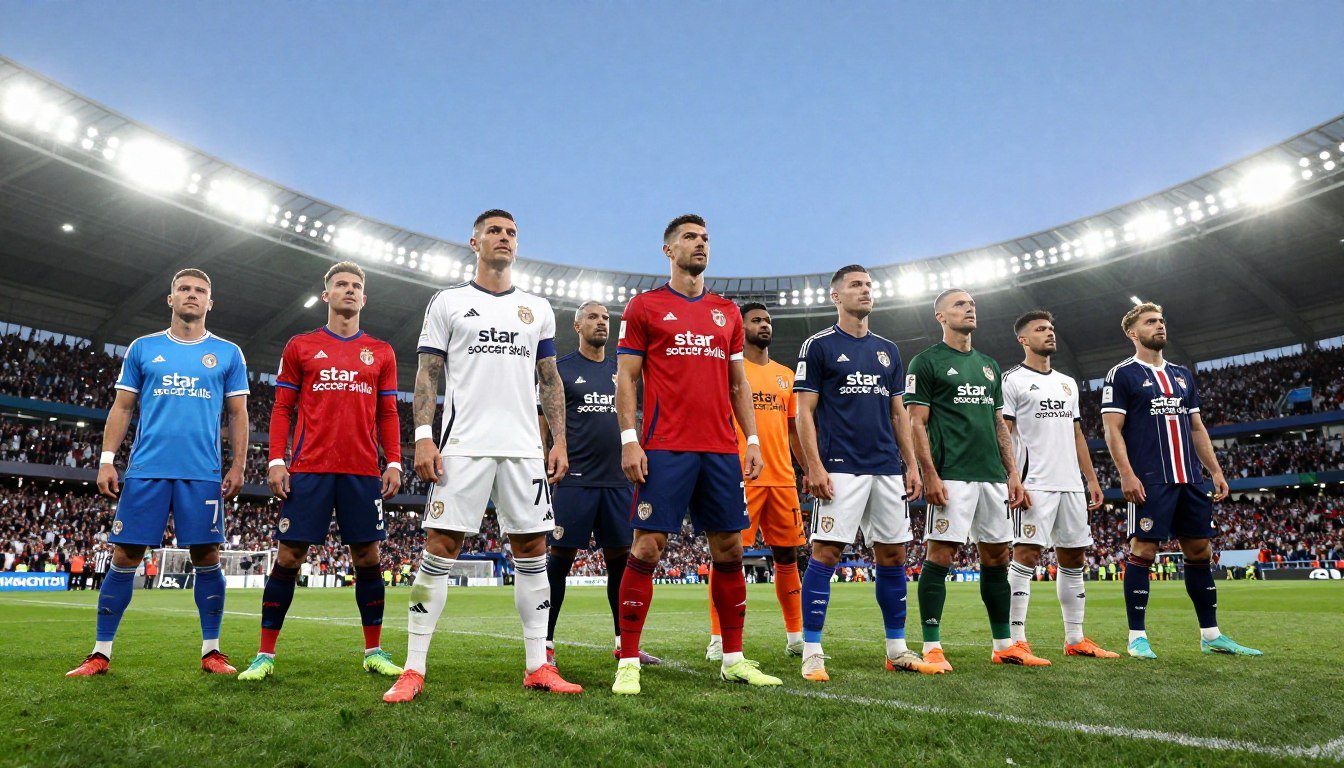
The table shows the five largest totals. We call on-field earnings the playing compensation a player receives from his club. For several stars, endorsement income is a large part of the total.
| Player | Playing compensation | Endorsement income | Annual total |
|---|---|---|---|
| Cristiano Ronaldo | $250 million | $50 million | $300 million |
| Lionel Messi | $70 million | $75 million | $145 million |
| Kylian Mbappé | $70 million | $30 million | $100 million |
| Erling Haaland | $60 million | $25 million | $85 million |
| Vinícius Júnior | $48 million | $28 million | $76 million |
Messi’s total is split almost evenly between club pay and endorsements. Sadio Mané is different, since almost all of his $54 million total is playing pay. The rest of the top ten are Lamine Yamal at $55 million, Jude Bellingham at $45 million, Harry Kane at $42 million and Mohamed Salah at $40 million.
Compare the playing and endorsement columns before deciding how much a player depends on club pay.
Premier League pay: weekly wages and annual totals
Erling Haaland earns the highest base wage in the Premier League, at £525,000 a week. He plays for Manchester City, and his base pay sits well above the rest of the league. Base pay is the weekly salary before bonuses, so it is the cleanest weekly measure.
Weekly base pay at the top of the Premier League
Virgil van Dijk earns £350,000 a week at Liverpool, which places him second on the league’s base pay list. Premier League players salary per week figures use base pay only, so bonuses and endorsement money are left out.
Per week, the top of the league’s list is Haaland at £525,000 and van Dijk at £350,000. Most players in the league earn less than these two, so the gap between the top and the rest is wide.
Annual totals for the 2026-27 Premier League season
Annual totals for the Premier League are different from base pay, because they include bonuses. Haaland’s estimated total annual compensation, including salary and bonuses, is $61.4 million for the 2026-27 season. Van Dijk follows at $28.1 million.
Bruno Fernandes, Bukayo Saka and Marcus Rashford are each at $26.3 million. Phil Foden and Ryan Gravenberch are each at $24.6 million, and Kai Havertz is at $23.2 million. Gianluigi Donnarumma is at $23 million, and Josko Gvardiol closes the top ten at $21.9 million.
These totals use a different measure from the playing figures on the world list, so the numbers do not match. Base pay and total pay differ, so check which one a list uses before comparing players.
Weekly wages at Real Madrid and other European clubs
Kylian Mbappé and Vinícius Júnior each earn £513,273 a week at Real Madrid. Real Madrid pays two of the highest weekly earners in the sport. Both players sit in La Liga, the top division in Spain.
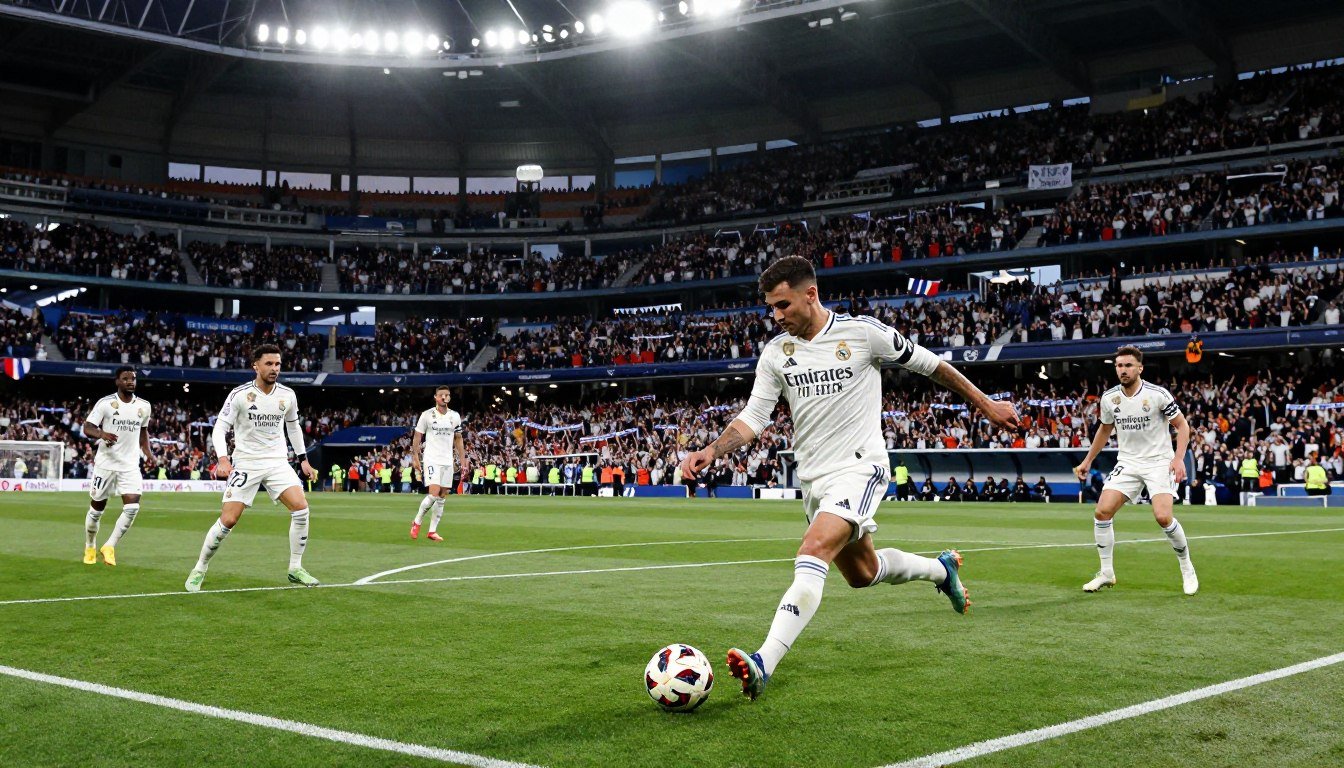
Among the top 20 highest-paid footballers in 2026, ranked by weekly pay, these European names stand out. Harry Kane earns £410,393 a week at Bayern Munich in the Bundesliga. Jamal Musiala earns £374,976 a week in the same league.
| Player | League | Weekly pay |
|---|---|---|
| Kylian Mbappé | La Liga | £513,273 |
| Vinícius Júnior | La Liga | £513,273 |
| Harry Kane | Bundesliga | £410,393 |
| Jamal Musiala | Bundesliga | £374,976 |
| Ousmane Dembélé | Ligue 1 | £298,000 |
Ousmane Dembélé earns £298,000 a week in Ligue 1 in France. Lautaro Martínez earns £273,000 a week at Inter Milan in Serie A. League names help readers compare players across clubs, because a league groups players who face the same rules and similar budgets.
Compare players in the same league first, since league rules and tax treatment differ between countries.
Saudi Pro League wages and who earns most there
Sadio Mané earns £656,629 a week, which makes him the second-highest weekly earner on the world list. He is one of several players in the Saudi Pro League paid above £400,000 a week. Cristiano Ronaldo’s weekly figure is the highest in the league.
Five players in the league stand out on weekly pay:
- Sadio Mané: £656,629 a week
- Kalidou Koulibaly: £569,626 a week
- Sergej Milinković-Savić: £418,765 a week
- Ivan Toney: £418,765 a week
- Ollie Watkins at Al-Hilal: £410,393 a week
Ruben Neves is another player in the league who earns above £400,000 a week. Salaries in one league can rise quickly when a few top players sign, because other clubs must offer more to keep or attract players. That effect is strongest when several big names arrive in the same season.
Check whether a figure is weekly pay or total package before comparing Saudi and European players.
What World Cup players earn for playing for their country
England players receive around £2,000 ($2,500) per match, and they do not keep it. The money goes to charity, not to the player’s bank account. World Cup pay works differently from club pay, because the national federation sets it.
Match fees and federation bonuses
England players donate their match fee to charity through the England Football Foundation, under a 2007 agreement. They could also earn up to £500,000 ($630,000) each for winning the 2026 World Cup. Those bonuses are paid by the federation, and the federation decides how the money is shared.
Under the current structure, USMNT players would earn roughly $330,000 each after a group-stage exit. Their potential earnings near $1 million for a home title show how much the result matters. Kylian Mbappé reportedly donated his France match fee of around $23,000 per game during France’s 2018 World Cup.
FIFA prize money by tournament finish
FIFA sets the prize money by how far a team goes, and it pays the federation, not the player. FIFA also provides federations a base of $12.5 million for participation and preparation. The table lists the prize money for each finish.
| World Cup finish | Prize money to federation |
|---|---|
| Group stage | $9 million |
| Round of 16 | $15 million |
| Quarterfinals | $19 million |
| Runners-up | $33 million |
| Champions | $50 million |
The federation decides how the prize money is split among players and staff. Ask how a federation divides its prize money before assuming any single player’s total.
Lionel Messi’s pay in Major League Soccer
Lionel Messi’s listed weekly gross salary for 2026 is $543,317. Weekly gross pay means the wage before tax. That weekly figure is only one part of what the MLS deal pays him.
His guaranteed compensation for the 2026 MLS season is $28.3 million. Guaranteed compensation is the pay a contract secures for the season, so it covers the whole year rather than one week. A contract’s worth depends on how much of the pay is guaranteed.
His Apple revenue-sharing agreement sits outside the guaranteed pay, so it adds to what the league figure leaves out. Endorsements add more on top. The MLS figure is one part of his total, not the whole of it.
Compare guaranteed pay with total earnings before calling any figure his full income.
Al-Hilal’s 2023 offer to Lionel Messi
Al-Hilal reportedly offered Lionel Messi a three-year deal worth €1.5 billion in 2023. The offer amounted to €500 million per season for three years. Al-Hilal is a Saudi club that competes in the pro league championship.
Divided by three, the total gives a per-season figure that is far above most annual totals on our lists. The number is large because it covers a whole multi-year offer, not one season of pay. Big offers like this one often draw attention because the headline number is so high.
The figure comes from reports in 2023, and we cannot confirm it as a signed contract. Read a reported offer as a figure for one moment in time, not as a signed salary.
Reading weekly, annual and total pay figures
Multiplying a weekly figure by 52 gives a quick annual estimate. That shortcut leaves out bonuses and endorsements, so it is a floor, not a final total. Keep that in mind whenever you compare two numbers.
Weekly figures versus annual totals
A weekly wage times 52 gives an approximate annual figure before bonuses. Weekly gross pay is before tax, so take-home pay is lower. Endorsement deals are usually paid separately from the club contract.
The rule fails when a player joins or leaves mid-season, because the weeks paid change. It also fails when a bonus is paid in one lump sum, since that money does not repeat each week.
Base pay, bonuses and endorsement income
Most pay packages have several parts, and each part should be read on its own. The five components below show what can sit inside a total:
- Base salary
- Performance bonuses
- Appearance fees
- Image rights
- Endorsement deals
Base salary is the only part most players receive every week. Performance bonuses and appearance fees depend on results and games played. Image rights and endorsement deals pay for a player’s name and face, so they often fall outside the club contract.
Check whether a figure includes bonuses before adding endorsements on top.
How a transfer can change a player’s weekly wage
Rodri’s move to Barcelona comes with a weekly wage of £444,782. A transfer is a new contract, so the weekly figure resets to the terms of that deal. A player’s weekly pay can change the day a new club signs him.
A club with a bigger budget can pay more for the same player. Enzo Fernández’s move to Manchester City gave him pay parity with Virgil van Dijk at Liverpool. That shows how a new club can change the wage picture in one step.
The 2026 summer transfer window in Europe has closed, and these figures were compiled after it shut. A strong World Cup can also raise a player’s value in the next transfer deal. Check the date of a weekly figure before you compare it with an older one.
What limits pay in Major League Soccer and the Premier League
Pay ceilings shape what top players earn, and they work differently in each league. The Premier League has no hard salary cap, so clubs set wages within their own budgets. Every club still answers to the league’s financial rules.
Four limits decide how far pay can rise:
- The Premier League has no hard salary cap.
- Major League Soccer uses a salary budget.
- Major League Soccer uses designated player slots.
- Each club has its own budget and must follow league financial rules.
An MLS club can still pay a star well above the normal range by using a designated player slot. A Premier League club such as Manchester City can spend heavily, but it still works inside league financial rules. Those rules set the outer edge of what a club can offer.
Read a league’s pay figures together with its limits on spending.
How to check a current pay figure before you quote it
Check the year first, since a 2026-27 season estimate is not the same as a 2026 weekly wage. A weekly wage and a season estimate measure different periods of time. Confirm both before you repeat any soccer pay number.
Never quote a pay figure without its year, currency and gross or net status.
The Premier League season runs from August to May, so a season estimate can cover more than one calendar year. Pay for 2026 World Cup players depends on each federation’s decisions, so no single figure applies to every squad. Look for the date the source was published, and note whether the figure is weekly, annual or a total.
Conclusion
Weekly pay at the top of soccer runs from six figures to several million pounds. Pay varies widely by league, and endorsement money is what separates the richest players from the rest. Both points matter when you read a pay list.
The next step is simple. Put players on the same measure, whether weekly base pay or annual total, before you compare them. A fair comparison starts with matching numbers.
Leave a Reply